Gynaecology
Gynaecology is a branch of medical science that focuses on the health of the female reproductive system, including the uterus, ovaries, fallopian tubes, vagina, and breasts. Gynaecologists are medical doctors who specialize in diagnosing and treating various conditions and diseases related to the female reproductive system. Here are some key aspects of gynaecology:
Routine Examinations: Gynaecologists perform routine examinations, such as pelvic exams and Pap smears, to assess the health of the reproductive organs and screen for abnormalities, including cervical cancer and sexually transmitted infections (STIs).
Menstrual and Reproductive Health: Gynaecologists diagnose and treat menstrual disorders, such as irregular or heavy periods, as well as conditions related to fertility and reproductive health, such as polycystic ovary syndrome (PCOS), endometriosis, and infertility.
Family Planning and Contraception: Gynaecologists provide counseling and guidance on family planning options, including contraception methods such as birth control pills, intrauterine devices (IUDs), hormonal implants, and sterilization procedures like tubal ligation.
Menopause Management: Gynaecologists assist women during the transition into menopause, offering guidance on managing symptoms like hot flashes, vaginal dryness, and mood changes. They may also discuss hormone replacement therapy (HRT) options and address concerns related to osteoporosis and heart health.
Gynaecological Surgeries: Gynaecologists are trained to perform various surgical procedures, including hysterectomy (removal of the uterus), oophorectomy (removal of the ovaries), myomectomy (removal of uterine fibroids), and surgeries to treat conditions like endometriosis or pelvic organ prolapse.
Breast Health: Gynaecologists conduct breast examinations, teach breast self-examination techniques, and may refer patients for mammograms or biopsies if necessary. They diagnose and treat breast conditions, including breast pain, benign breast lumps, and breast infections.
Sexual and Reproductive Health Counseling: Gynaecologists offer guidance and support related to sexual health, contraception, preconception planning, and managing sexually transmitted infections (STIs). They may also address concerns about sexual dysfunction or discomfort.
Regular visits to a gynaecologist are important for maintaining women’s reproductive health, preventing and detecting diseases, and receiving appropriate treatment and counseling. It is recommended that women start seeing a gynaecologist in their late teens or early twenties, or when they become sexually active, and continue with regular check-ups throughout their lives. Gynecologists play a vital role in promoting and maintaining the overall well-being of women.
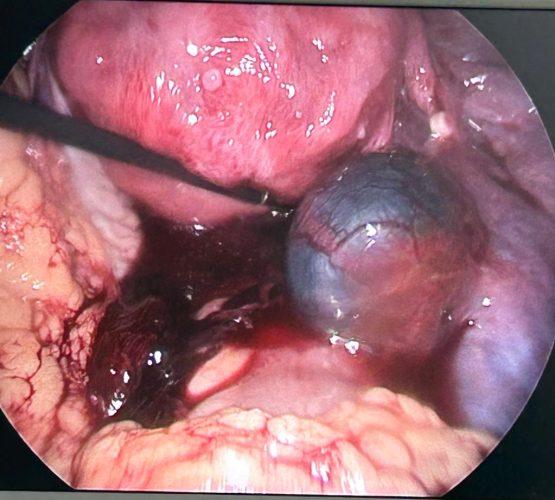
Ectopic Permanency
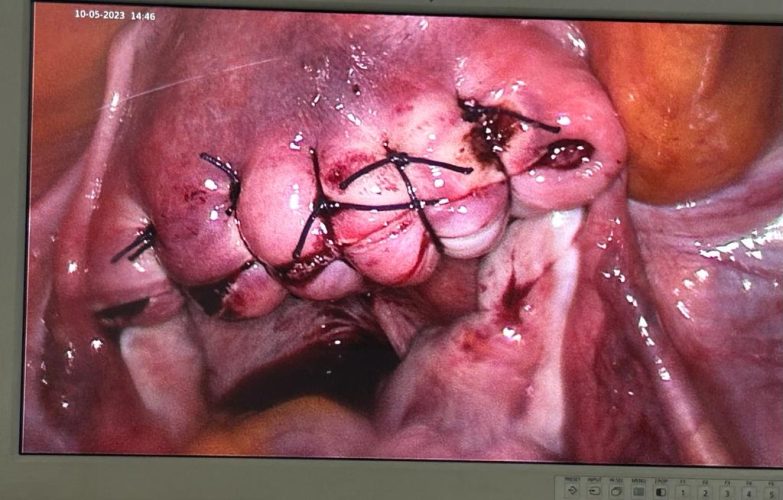
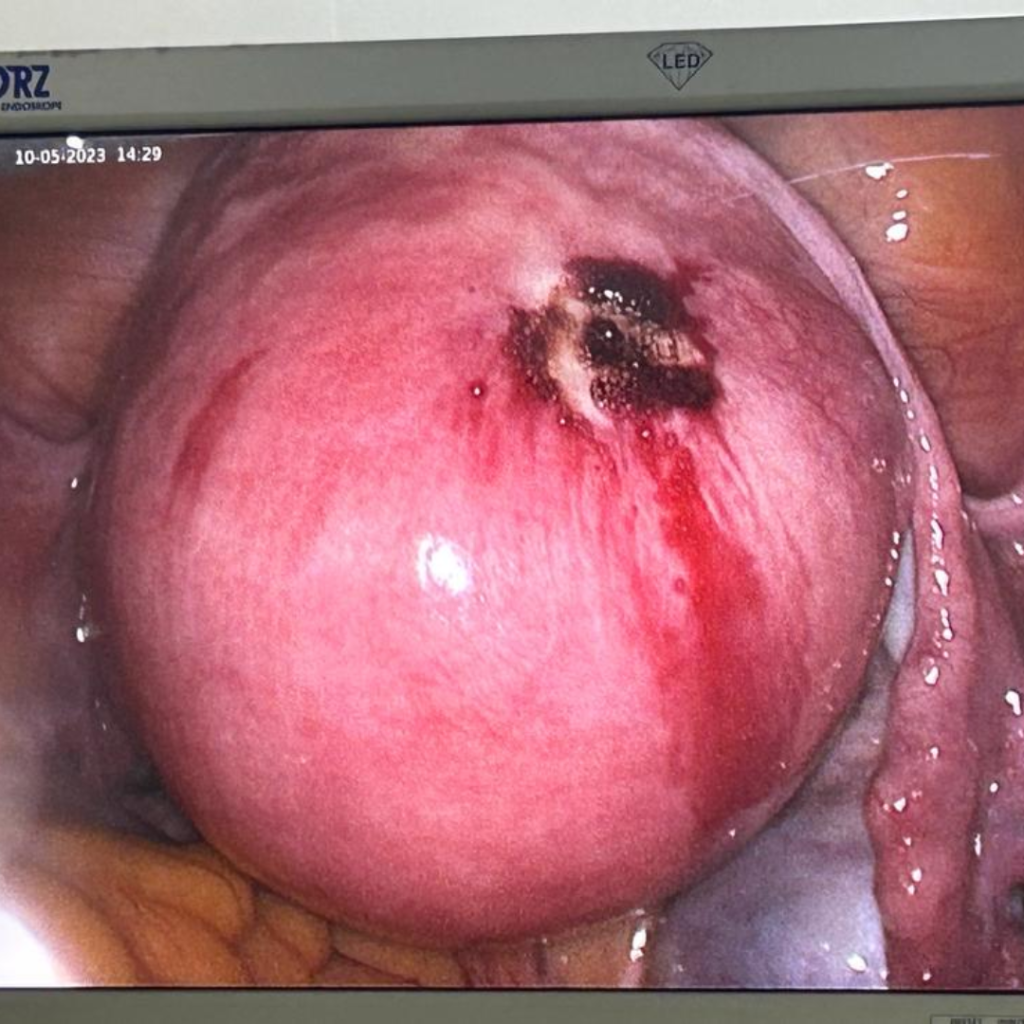
Laparcoscopic removal of ovarian cyst
Laparoscopic Clearance of Ectopic Permanency

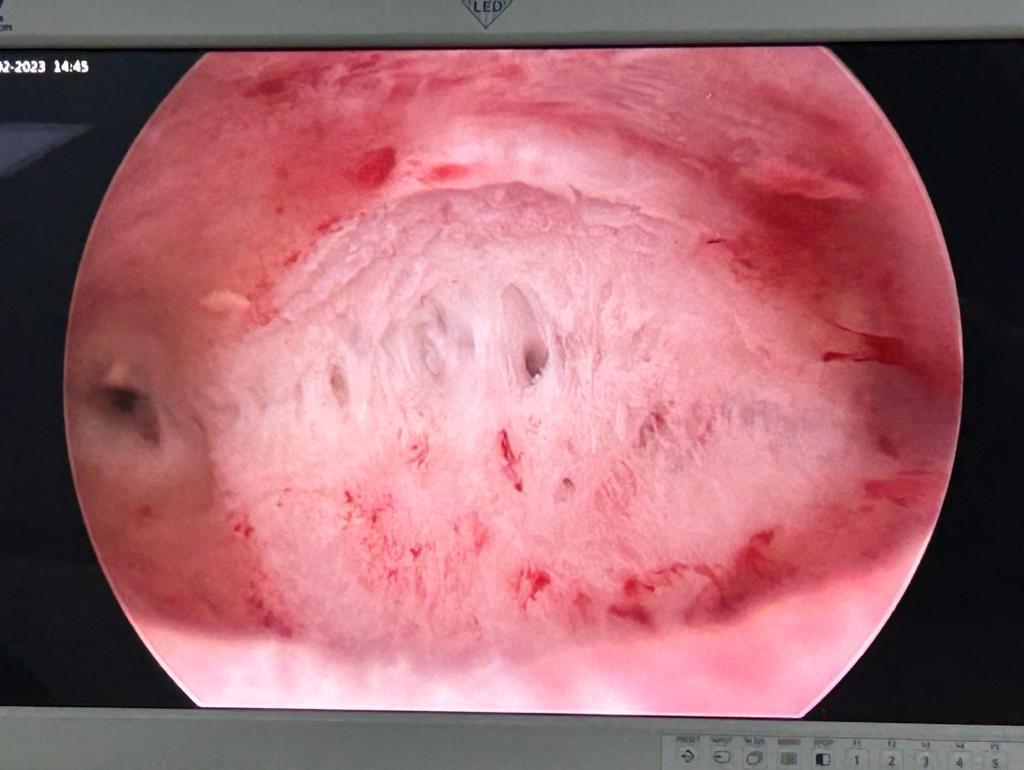
Infertile Couple- Treatment of septum in Uterus - Hysterscopic treatment